
Home / East Sussex / Seven Sisters
EAST SUSSEX · SOUTH DOWNS · COAST & WETLAND
Seven Sisters: walks, wildlife and visitor guide
White chalk cliffs, a winding river valley and open skies make Seven Sisters a memorable place to explore England’s south coast. Choose a valley walk, watch the wetland birds or plan a longer outing across the downs.
This guide focuses on visiting Seven Sisters Country Park at Exceat, within the wider Seven Sisters National Nature Reserve.
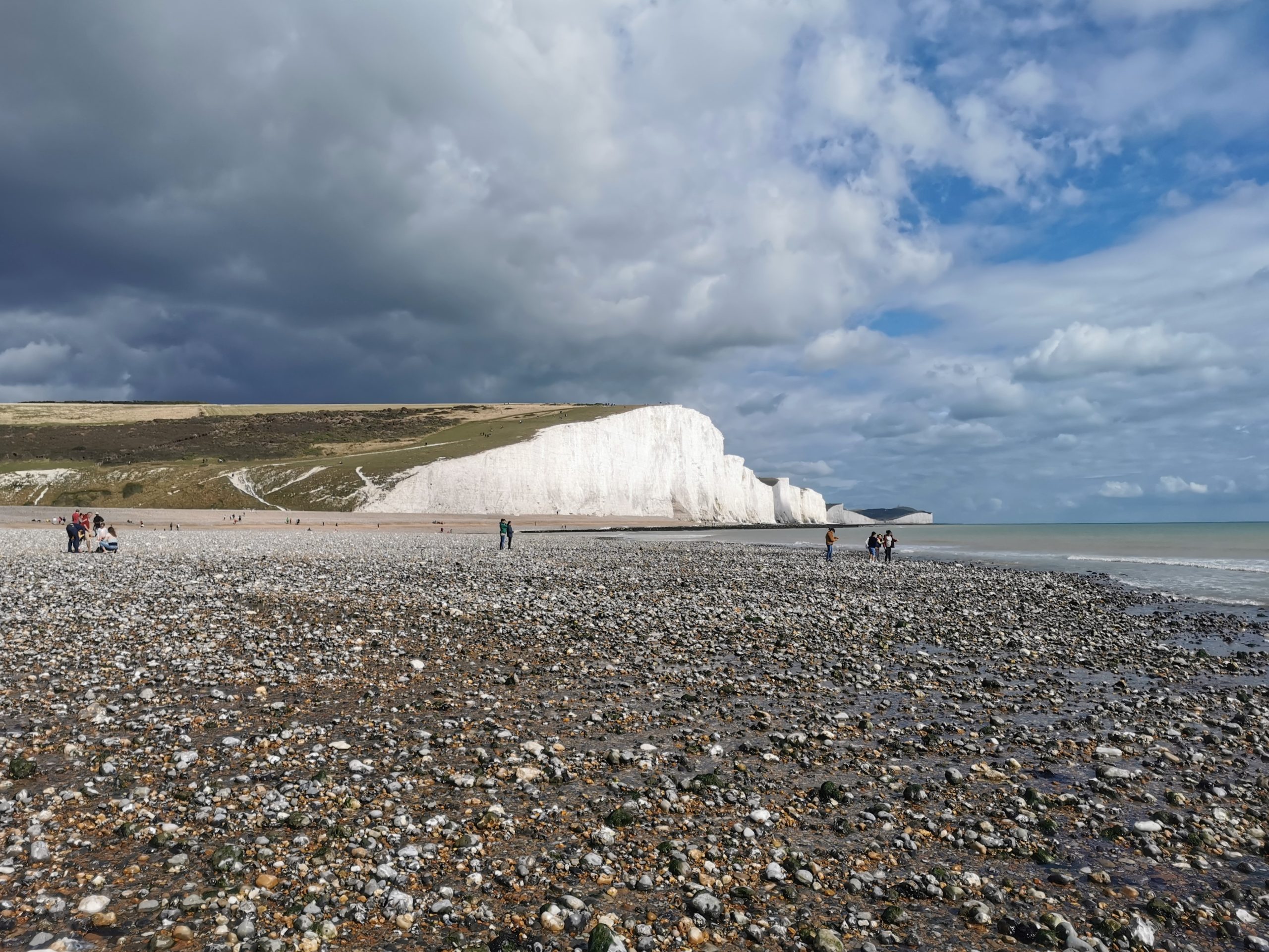
Seven Sisters at a glance
Where
Exceat, near Seaford
East Sussex · BN25 4AD
Landscape
Chalk cliffs and grassland
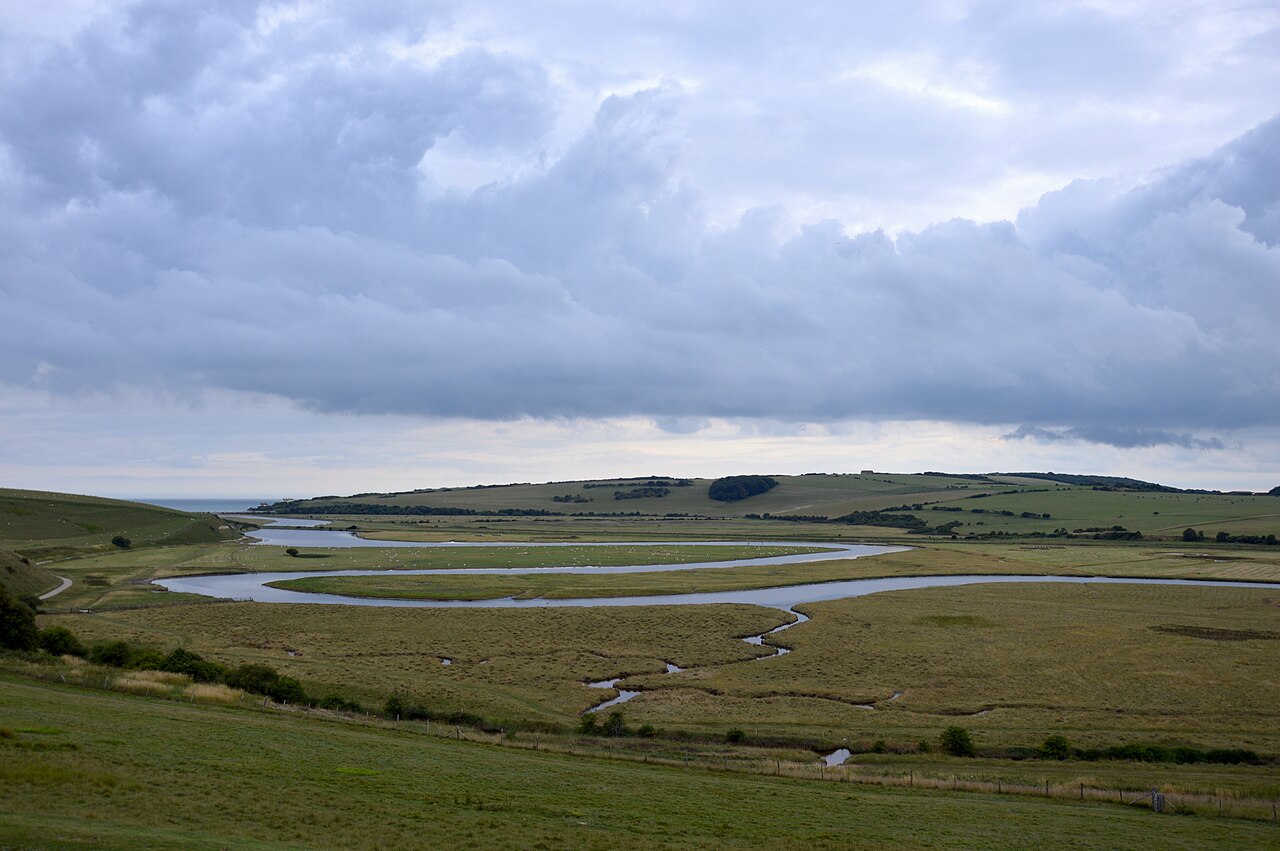
Cuckmere Valley and wetlands
Before you arrive
Paid parking · Toilets at Exceat
Dogs welcome with restrictions
Why visit Seven Sisters?
The coast is the headline attraction, but the valley offers a different experience: water, grazing land and birds to watch without committing to a long cliff walk. Start by deciding whether you want a shorter visit near Exceat or a more demanding coastal route.
The national nature reserve includes the Country Park, Cuckmere Valley, Friston Forest and the former Lullington Heath reserve. Visitor facilities and access arrangements vary across these areas; the Exceat details below do not apply everywhere in the reserve.


Walks: choose the valley or the cliffs
A shorter valley visit
Follow the valley-floor trail towards Cuckmere Haven and return the same way. The official accessibility page gives approximately 2 km each way, or 4 km return. You can turn back earlier to suit your energy and available time.
A longer coastal outing
The South Downs Way passes over the Seven Sisters cliffs. Expect a more demanding outing than the valley trail, with climbs and exposed coastal terrain. Choose your start, finish and return transport before setting off.
Accessibility and path surfaces
The Easy Access Trail is the main option for wheelchairs, mobility scooters and pushchairs. It follows the valley floor, but reaching the top of the shingle beach involves a short incline steeper than 1:8; the eastern fork also crosses undulating grass. Beach access and cliff walks should not be treated as level, step-free routes.
Mobility scooters can be borrowed from the Visitor Centre, with advance booking advised. They are for visitors aged 14 or over and cannot be taken into Friston Forest. A Changing Places toilet is available near the Visitor Centre and north car park.
Check the official accessibility information and scooter booking →
Plan your visit
Getting to Exceat
The Country Park visitor base is on the A259 at Exceat, near Seaford. Use BN25 4AD for the car parks. Coaster 12, 12A and 12X buses serve the park from Brighton, Seaford and Eastbourne; check your service and return journey.
Official directions and transport links →
Open the official Country Park map →
Parking and charges
Two pay-and-display car parks serve the Country Park. Current car charges are £3.50 for up to 2 hours, £5 for up to 4 hours and £7 for over 4 hours. There is no Blue Badge concession. Car parks can fill at busy times and are locked overnight.
Opening times
The Country Park is open throughout the year. The Visitor Centre normally opens 10am–5pm, reducing to 10am–4pm in winter. Car parks and toilets also have seasonal hours. Check closing times before choosing a longer walk.
Toilets and refreshments
Public toilets are beside the Visitor Centre, including a Changing Places facility. There are no toilets at the beach or along the cliffs. Takeaway refreshments and a café are available around the visitor base; check their hours before travelling.
Dogs and current visitor notices
Dogs are welcome under close control. Use a lead near livestock, wildlife, cliffs and open water, and follow local signs. Keep to the main paths, particularly during the March–September ground-nesting season, and respect roped-off areas. Waste bins are at the visitor facilities and car parks, rather than throughout the landscape.
Notice checked 4 October 2026: the official dog guidance still carries a summer 2026 warning about blue-green algae in the meanders. Keep dogs on leads and out of the water; check the latest notice before visiting.
Wildlife through the seasons
Spring and summer
Look for chalk-grassland flowers and butterflies, including common blue, chalkhill blue and marbled white. Watch from the paths and give nesting birds space.
Autumn and winter
Migration brings opportunities to watch waders and other waterbirds. Winter visitors include teal and wigeon. Binoculars can help you enjoy the wetland wildlife from a distance.
Sightings depend on weather, season and conditions. The interest here comes from the mix of habitats, rather than a guarantee of seeing a particular species.
Stay safe by the cliffs and river
Follow marked paths and keep well back from cliff edges and the base of the cliffs. The park advises at least 5 metres; chalk falls can happen without warning. Check weather and tides, and follow any closures or signs.
Do not use the Cuckmere river mouth as a crossing or shortcut. Follow the coastal walking route around the river. For a coastal emergency, call 999 or 112 and ask for the Coastguard.
Official information and sources
Visitor details checked on 4 October 2026. This is an independent guide; the operators’ notices, opening times and on-site signs take priority.
Seven Sisters Country Park visitor information
Natural England: Seven Sisters National Nature Reserve