
Home / East Sussex / Rye Harbour
EAST SUSSEX · COAST & WETLANDS
Rye Harbour Nature Reserve
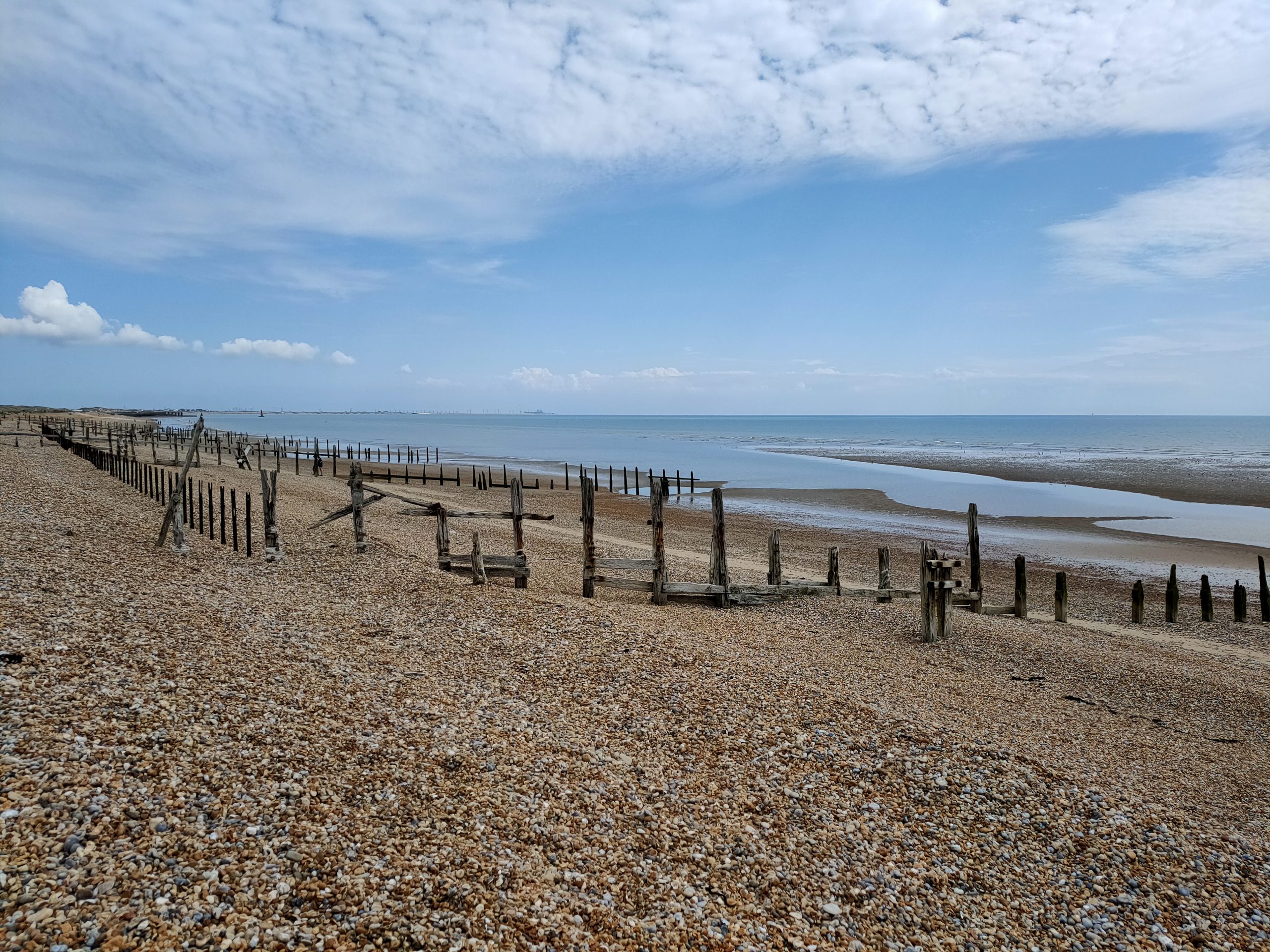
Wide skies, shingle shores and bird-filled pools on the edge of Rye. Follow level coastal paths, pause in a hide and make time to watch the landscape change with the light.
A guide to walks, wildlife and the practical details that help you plan a visit.

Before you travel: Castle Water restrictions
Checked 4 October 2026: access restrictions remain around Castle Water following confirmed bird flu, suspected avian botulism and periods of blue-green algae. Follow closure signs, keep dogs on leads away from water and birds, and never touch sick or dead birds.
Read Sussex Wildlife Trust’s latest closure update and map. Check again before setting out.
Rye Harbour at a glance
Where
Rye Harbour village, near Rye in East Sussex. Start at the village car park for the coastal paths.
Landscape
Shingle, saltmarsh and wetlands, with open horizons and rewarding birdwatching.
Good for
An unhurried short walk, a morning with binoculars or a longer coastal outing.
Why visit Rye Harbour?
Rye Harbour rewards a slower pace. Instead of rushing to a single viewpoint, let the pools, river edge and shingle shore shape your day. A hide gives you somewhere to stop and look; the broad horizon makes even a modest walk feel like a proper escape.
It is a useful choice when you want coastal scenery without a cliff walk. Choose a short outing first, then extend it if the weather, energy and open routes allow. The exposed setting is part of its character, so bring a layer even when the day begins warm.

Walks at Rye Harbour
Short circular walk · 2 miles
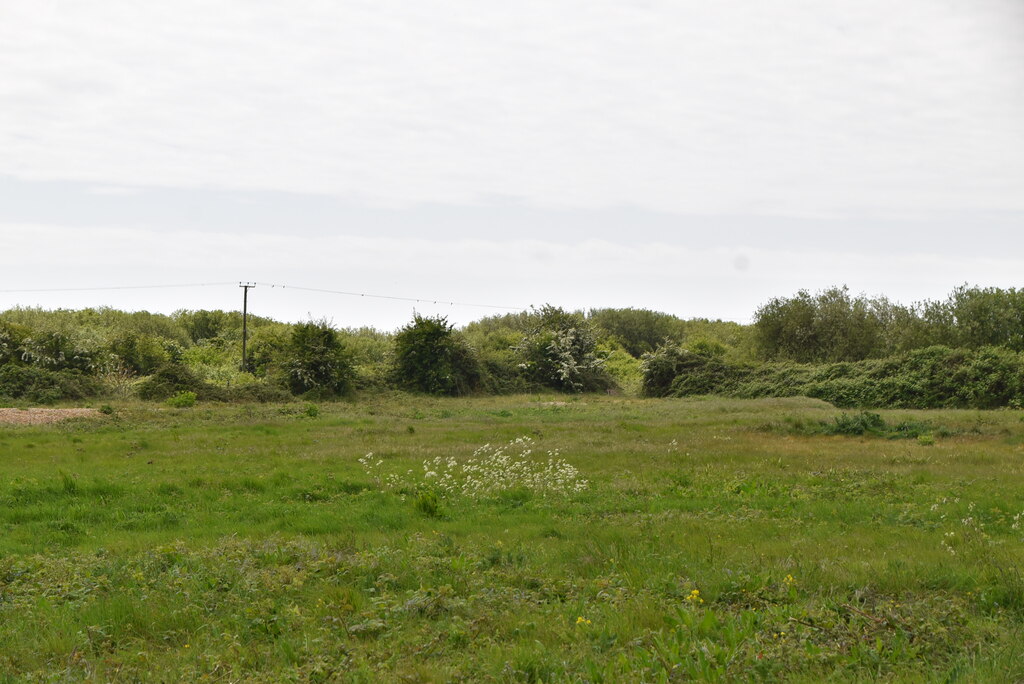
The official 3.3 km circuit from the village car park passes three birdwatching hides. It is described as wheelchair and pushchair friendly, with benches for pauses. Follow the numbered waymarks and current signs.
A longer coastal circuit · 4.3 miles
The 6.9 km route includes the Mary Stanford Lifeboat House and returns along a shingle track. The surface makes this a different proposition from the shorter circuit.
Towards Winchelsea Beach
The all-tarmac route is 4.8 km / 3 miles each way. Allow for the return distance. Castle Water and Camber Castle routes are not recommended while the restrictions remain.
Use the official route descriptions and downloadable map; check that your chosen route is open.
Accessibility and easier visits
The short circuit offers a gentler introduction. Step-free main paths and accessible hides support visits with wheelchairs or pushchairs, but some bench approaches have loose or uneven ground. Wind and lack of shelter can affect comfort.
Mobility scooters can be hired by donation from the Discovery Centre; book ahead on 01797 360960. Accessible toilets are inside the centre.
Check current access information with the reserve before travelling if you have specific requirements.
Plan your visit
Getting there
Head to Rye Harbour village, south of Rye. Bus 313 serves the village; Rye railway station is in the town, so plan the onward journey. The Discovery Centre is about ten minutes on foot from the village car park.
Parking and cost
Reserve entry is free. The village car park has no fixed charge; its operator, Icklesham Parish Council, welcomes donations. It opens at 6.30am and is locked overnight.
Opening times
The reserve is normally open daily. The centre is 9.30am–4.30pm in summer and 10am–4pm after the clocks change. The café closes 15 minutes earlier. The car park closes at 9pm in summer and 7.30pm in winter.
Toilets and refreshments
Toilets are near the village car park. The Discovery Centre has accessible toilets and baby-changing facilities, plus the Lime Kiln Café. Check opening times before relying on facilities.
Dogs and caring for the reserve
During the current outbreak, keep dogs on leads and away from water and dead birds. Dogs on leads are welcome in the Discovery Centre. Permanent and seasonal restrictions also protect nesting wildlife: always follow local signs.
Stay on marked paths and outside fenced nesting areas. Watch birds from a respectful distance, take litter home and wash your hands after visiting.
Wildlife through the seasons
Spring and summer
Look for migrating birds and, in season, breeding terns and waders such as avocets and ringed plovers. Shingle flowers bring another reason to stop: sea kale, viper’s-bugloss and yellow horned-poppy are among the plants to look for in late May and June.
Autumn and winter
Migration keeps autumn interesting, while winter brings gatherings of wildfowl and waders. Binoculars help you enjoy the pools without approaching birds. Species and numbers vary, and no sighting is guaranteed.
Make the most of your day
Pack binoculars if you have them, water, sun protection and a windproof layer. Give yourself time to sit in a hide rather than trying to cover every path. Keep children close near water and avoid entering closed areas.
For a first visit, the short circuit and a pause at the Discovery Centre make a manageable starting point. A longer walk can wait for a day with suitable weather and confirmed access.
Useful links and nearby inspiration
Rye Harbour official visitor guide · Maps and walks · Wildlife guide · Current restrictions
Continue exploring with our Wild Places England home page. More East Sussex guides will be linked here as they become available.
Visitor details checked against Sussex Wildlife Trust information on 4 October 2026. Opening times, access and conditions can change; check the official pages before travelling.