
Home / Yorkshire and the Humber / North Lincolnshire
YORKSHIRE AND THE HUMBER
Far Ings
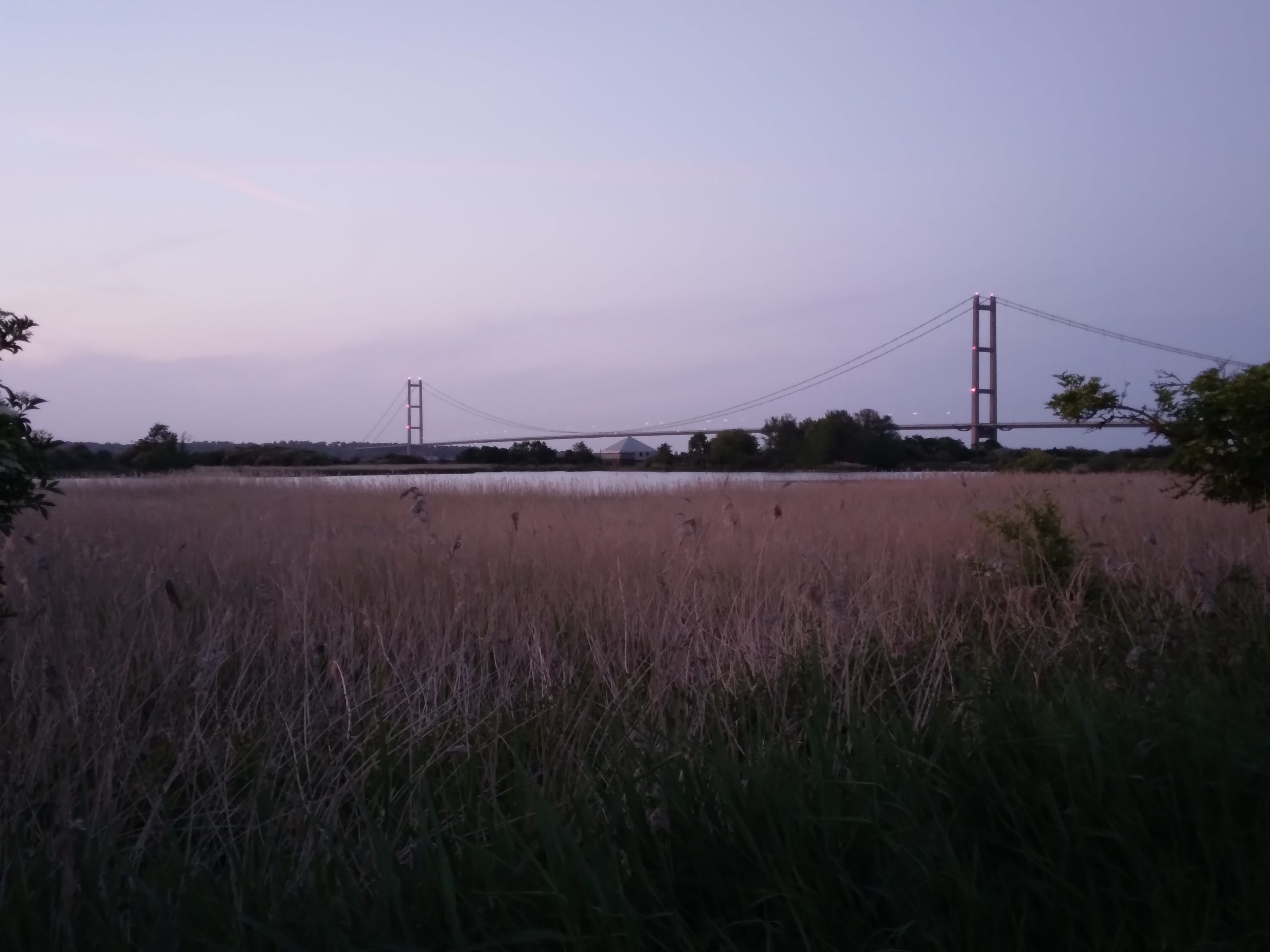
Far Ings is a wetland nature reserve on the south bank of the Humber near Barton-upon-Humber. Former industrial pits have become a landscape of open water and reedbeds, managed by Lincolnshire Wildlife Trust for wildlife including the elusive bittern.
This is a good place for a quiet walk punctuated by time in bird hides. The reserve trails and the dog-friendly Humber-bank public route have different access rules, so decide which outing you want before arriving.

Far Ings at a glance
Where
North Lincolnshire
Your visit
Choose a short outing or a longer walk using the route information below.
Before you arrive
Check current opening times, route conditions and local notices.
Why visit Far Ings?
The mixture of lakes, reeds and estuary makes Far Ings more varied than a simple waterside stroll. You can watch birds on the pits, listen in the reedbeds and then look across the much larger Humber landscape. Sitting quietly often reveals more than rushing between hides.
The site also tells a story of recovery. Clay extraction and the tile and cement industries left the pits that now support wetland habitats. A visit shows how practical conservation can turn a working industrial landscape into a refuge for wildlife without erasing its history.

Walks and places to explore
Tadpole Trail
The shortest of the Trust’s three waymarked circular walks is the Tadpole Trail, for which the Trust suggests allowing about half an hour. Add extra time if you want to stop and watch wildlife; the suggested time is a guide rather than a walking-speed requirement.
Grebe and Bittern trails
The Trust suggests about an hour for the Grebe Trail and two hours for the Bittern Trail. Download the official reserve map and choose a route that matches your time and mobility. Hides make useful pauses, but access to individual paths can change when grazing animals are present.
Humber-bank public paths
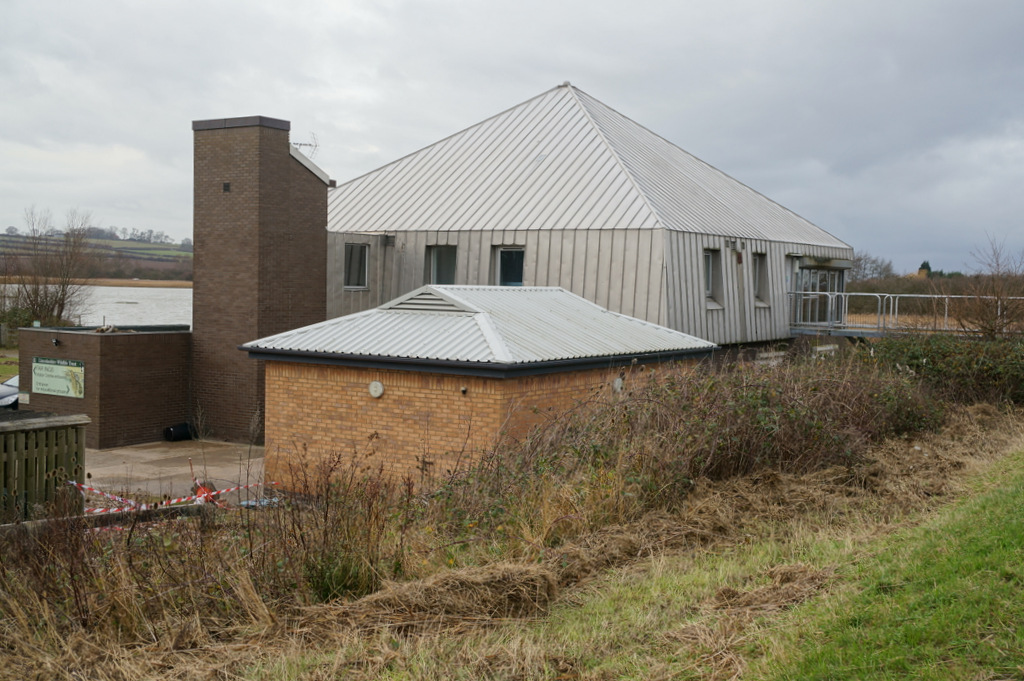
The Viking Way runs along the Humber bank and is a separate option for visitors with dogs. Use the mapped public paths rather than taking a dog onto reserve trails. The visitor centre can be approached from the main car park or from the Viking Way.
Accessibility and easier visits
The visitor centre is accessible on both floors and has an accessible toilet. The Trust says many reserve paths are suitable for wheelchairs and two bird hides have disabled access.
Some gates are closed when sheep are present, which can affect a planned route. Contact the Trust before travelling if you need confirmation of a continuous accessible circuit or access to a particular hide. A flat-looking map does not show every gate or surface condition.
Plan your visit
Getting there
Head for Far Ings Road, Barton-upon-Humber, on the south side of the Humber Bridge. The Trust gives DN18 5RG as a nearby registered-address postcode rather than an exact reserve postcode. Follow the brown signs and use the official location information for the final approach. Check current local transport before planning a car-free visit.
Parking and cost
Parking is free at the visitor centre and Ness End. The Trust lists visitor-centre car park access from 9am to 4.30pm, or dusk if earlier; Ness End gates open at 8am and close at 6pm, or dusk if earlier. Return before the relevant gate closes. Bike racks are available at both car parks.
Opening and admission
The reserve is open at all times, subject to local closures and car park gates. The visitor centre opens Wednesday to Sunday, 10am–4pm, and is closed Mondays and Tuesdays. Check the Trust’s visitor page before travelling, particularly around holidays or bad weather.
Toilets and refreshments
Facilities include a visitor centre, shop, picnic area, toilets, accessible toilet, baby changing and birdwatching hides. Refreshments can be purchased when the centre is open. The Trust identifies alternative toilets at Ness End when the centre is closed; check availability if toilets are essential to your visit.
Dogs and responsible visits
Dogs are not allowed on the nature reserve. Well-behaved dogs are welcome in the visitor centre and along the Viking Way public route, reached from the main car park or Humber bank. Keep to the permitted route and follow signs; being near a dog-friendly path does not make adjoining reserve paths dog-friendly.
Wildlife and changing seasons
Spring and summer
Spring can bring the distinctive booming call of bitterns from the reedbeds. These birds are shy and sightings are irregular, even from the Ness End hide. Reeds, water and grassland also provide interest beyond the headline species: take time to scan slowly and listen.
Migration and winter
The Humber is a migration corridor. In autumn and winter, look for wildfowl on the pits and birds moving along the estuary, including teal, wigeon, redshank and geese. Weather and tide influence what you see, and no visit guarantees a particular species.
Make the most of your day
Stay on the waymarked routes, keep quiet in hides and leave reedbeds undisturbed. Cycling is not permitted within the reserve. Water edges, wet ground and the exposed Humber bank need care, especially in wind or poor light. Bring binoculars if you have them, carry litter home and avoid feeding wildlife.
Official visitor information
Official Far Ings visitor information and trail map · Reserve wildlife and location · Lincolnshire Wildlife Trust accessibility
Visitor details checked 5 October 2026. Opening times, charges and access can change; check the official sources before travelling.