
Home / South West / Devon
SOUTH WEST
Dartmoor
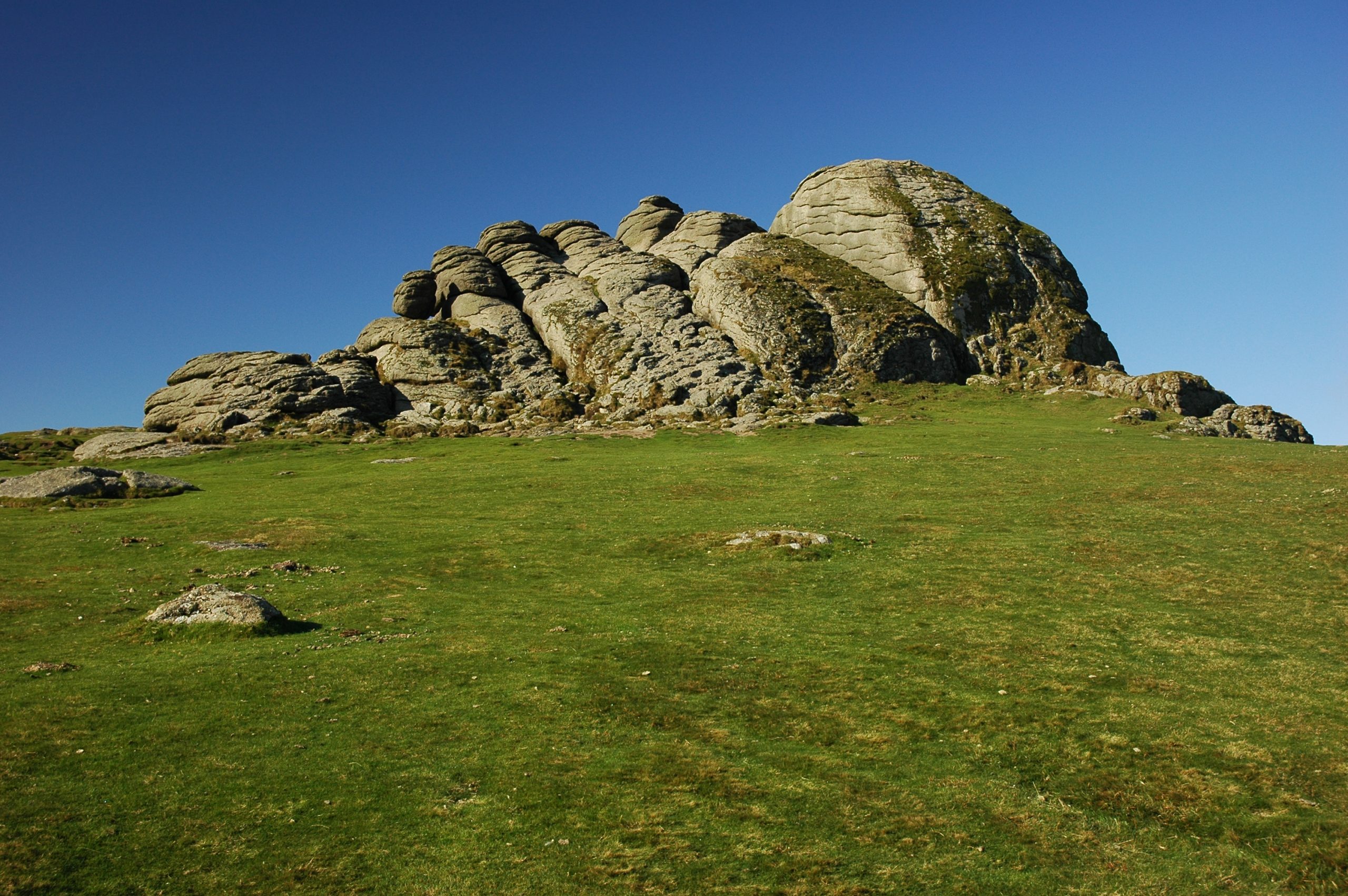
Granite tors, open moor and wooded river valleys make Dartmoor a place for both big views and quieter walks. Haytor is a useful first stop, while Princetown offers a starting point for exploring the higher moor.
This guide covers the National Park as an area, rather than a single reserve. Choose a particular walk and starting point before travelling: distances, surfaces, facilities and access conditions vary considerably.

Dartmoor at a glance
Where
Devon
Your visit
Choose a short outing or a longer walk using the route information below.
Before you arrive
Check current opening times, route conditions and local notices.
Why visit Dartmoor?
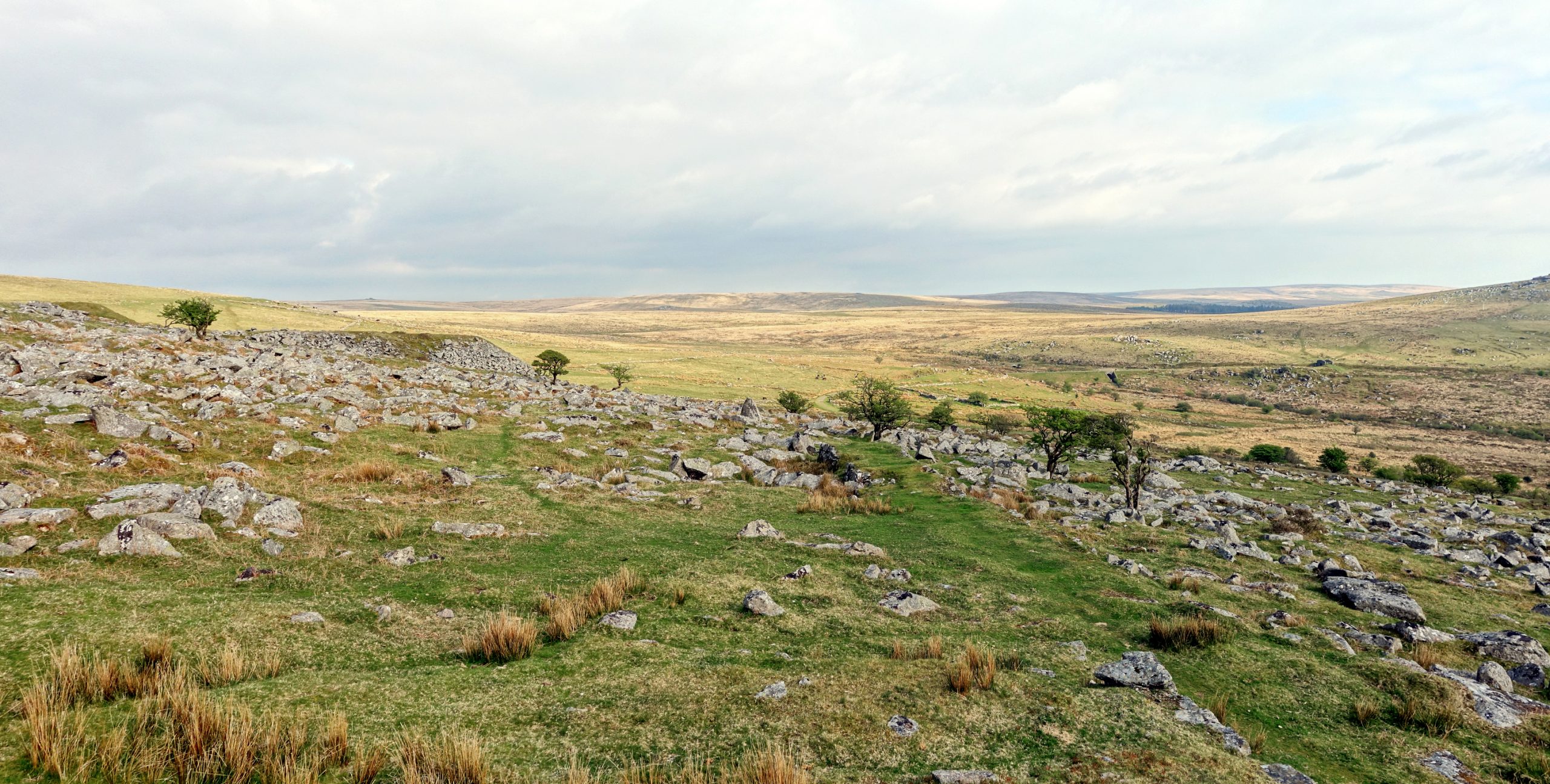
Dartmoor’s appeal is the contrast between exposed uplands and sheltered valleys. A short visit can focus on one tor and its surrounding landscape; a longer stay gives time to explore woodland, archaeology and villages without rushing between distant stops.
It is also a working landscape. Grazing ponies, cattle and sheep share the commons with walkers, and the land is not a visitor attraction with one entrance or a single opening time. Keep your plans flexible if mist, strong wind or wet ground makes the open moor unsuitable.

Walks and places to explore
Haytor Quarry: a shorter moorland outing
The official Miles without Stiles route starts at Haytor middle car park and crosses the road before climbing gently towards the quarry below Haytor Rocks. The full 2 km return route is graded For Some and includes narrow and steep quarry sections; the 1 km return to the quarry entrance is graded For Most. Check the published route and suitability rating. Public and accessible toilets are at the visitor centre in the lower car park.
Princetown and the open moor
Use Princetown as a planning stop for a moorland walk, choosing an official route that matches your experience. Open tracks can give wide views, but the surrounding ground may be wet and uneven. A visible tor does not make navigation straightforward when cloud descends; keep your outing within your ability to return safely.
A woodland alternative
Dartmoor’s official walking collection includes routes through its varied landscape. Choose a woodland or valley outing when you want shelter rather than a summit. Read the full route notes: tree cover does not remove slippery rocks, muddy paths or gradients, and river crossings need particular care after rain.
Accessibility and easier visits
Haytor Quarry is one named option in Dartmoor’s Miles without Stiles collection. Check the current surface, gradient and route grading against your wheelchair, scooter or walking needs before setting off. Stile-free does not mean level or suitable for every chair.
Visitor-centre accessibility is described separately from outdoor routes. Contact the centre if you need a particular toilet, parking arrangement or equipment provision; do not assume these facilities are available at remote moorland car parks.
Plan your visit
Getting there
Choose a gateway such as Bovey Tracey for Haytor or Princetown for the central moor. Check current public-transport information before committing to a linear walk, including the last return service. Rural roads are narrow in places, with animals on the unfenced moorland roads.
Parking and cost
Use a designated car park for your chosen walk and check its own payment instructions and restrictions. Haytor Visitor Centre is in the lower car park. Do not obstruct gates, passing places or emergency access, and have a second destination in mind if a popular parking area is full.
Opening and admission
There is no single National Park admission fee or opening timetable. Public rights of way and access land have their own conditions; centres, attractions and car parks have separate hours. Check visitor-centre opening times and any access notices before departure.
Toilets and refreshments
Plan refreshments and toilet stops around villages or visitor centres rather than expecting facilities on the high moor. Carry drinking water and food. Dartmoor National Park provides no litter bins on the moor: take all rubbish and bagged dog waste home.
Dogs and responsible visits
Keep dogs on a lead around grazing animals and follow local signs. On land designated under the Countryside and Rights of Way Act, a short fixed lead of no more than 2 metres is required from 1 March to 31 July. Check the authority’s dog guidance for the land you intend to visit.
Wildlife and changing seasons
Open moor
Listen and look from existing paths, giving wildlife space. The moor is also grazing land: watch ponies from a distance and never feed or approach them for photographs.
Valleys and changing seasons
Wooded valleys offer a different nature experience from exposed tors. Return in another season to see changing woodland and moorland colours; wildlife sightings always depend on conditions and patience.
Make the most of your day
Carry a proper map and suitable clothing, check the weather and tell someone your plan for a longer walk. Dartmoor includes military training areas: consult current firing information before entering a range, and obey flags, warning signs and instructions. Leave gates as found and keep fires and disposable barbecues off the moor.
Official visitor information
Official walking routes · Haytor Quarry accessible route · Visitor questions and practical advice · Dogs on Dartmoor · Haytor Visitor Centre
Visitor details checked 5 October 2026. Opening times, charges and access can change; check the official sources before travelling.