
Home / East of England / Norfolk
EAST OF ENGLAND
Cley and Salthouse Marshes
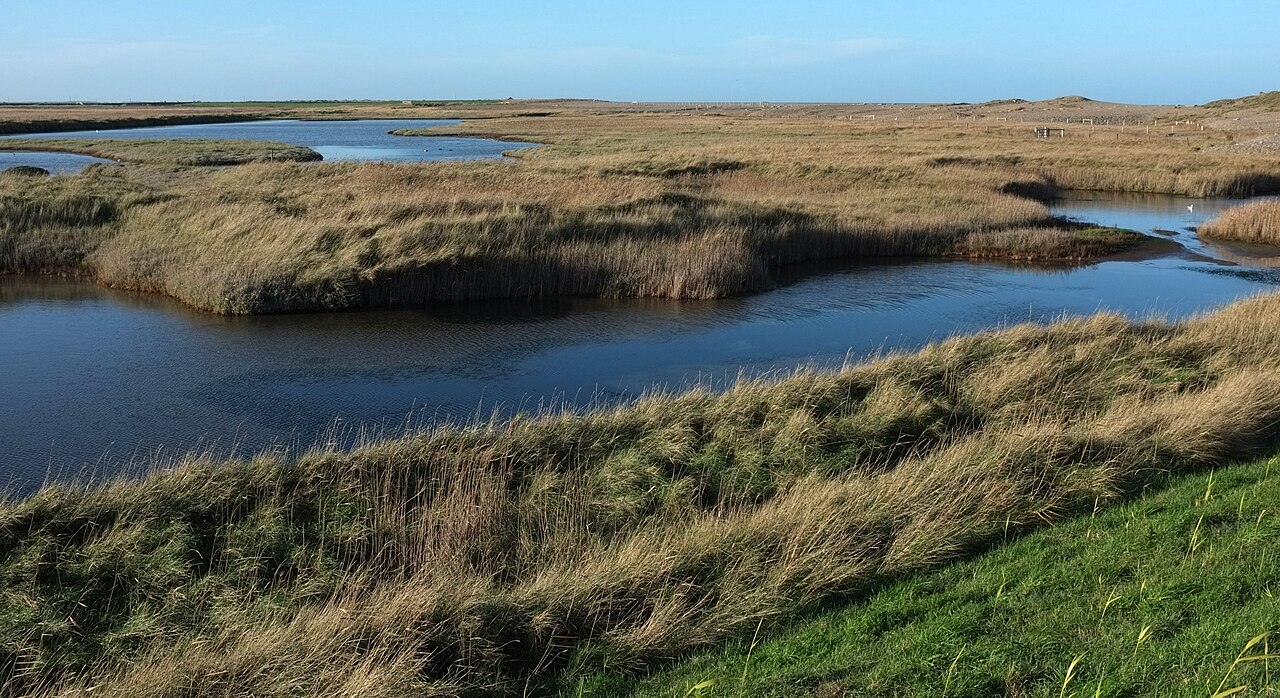
Cley and Salthouse Marshes offers reedbeds, birdwatching pools and a long shingle coast under north Norfolk’s open skies. The visitor centre is a practical first stop, with views across the reserve and staff who can help you choose a suitable walk.
This guide distinguishes the paid reserve and hide access from the wider freely accessible landscape. Check the current entry and parking arrangements before travelling, particularly if you intend to visit only the café or the coast.

Cley and Salthouse Marshes at a glance
Where
Norfolk
Your visit
Choose a short outing or a longer walk using the route information below.
Before you arrive
Check current opening times, route conditions and local notices.
Why visit Cley and Salthouse Marshes?
You can make this a focused birdwatching visit or a gentler outing with time to sit and watch the changing light. Staying in one hide for a while often gives more enjoyment than hurrying between every viewpoint. Binoculars help, but the landscape itself is a reason to visit.
The visitor centre adds a sheltered option when the weather turns. Its exhibitions, shop and panoramic café make it useful for a mixed-interest group. Allow some flexibility: exposed coastal walking and a quiet hour overlooking the marsh can feel very different on the same day.

Walks and places to explore
The central hides
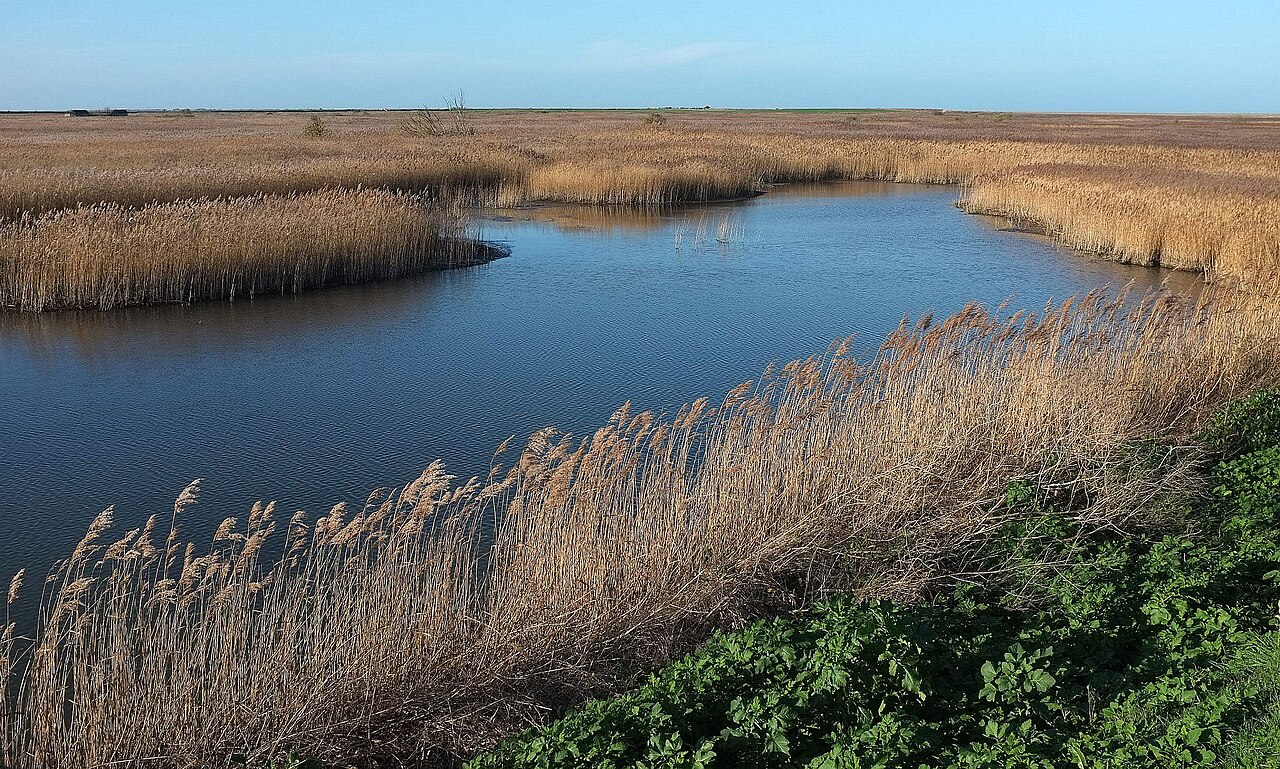
Follow the official map to choose a visit to the hides overlooking managed pools. Read the boardwalk and path guidance before selecting a route; keeping to designated access protects the reedbeds and avoids wet ground. A short outing with a long stop can suit visitors who prefer wildlife watching to distance walking.
East Bank
East Bank gives an elevated view over the marsh towards the coast. It has a hardened surface and an access slope. The open position makes it exposed to wind, so carry a warm layer even when the visitor centre feels sheltered. Choose a turn-back point that leaves enough energy for the return.
The coastal boundary
Beach Road and the shingle bank provide a different view of the reserve. Shingle takes more effort than a firm path and should not be treated as an equivalent accessible route. Obey nesting cordons and current signs, and keep well away from the water in rough weather.
Accessibility and easier visits
Norfolk Wildlife Trust describes compacted paths and boardwalk access to several hides. Its access guide explains the road crossing, boardwalk passing places and the slope onto East Bank. Review these details against your own mobility needs.
The centre has a lift, push-button doors, accessible toilets and a hearing loop. Parking-to-centre access includes rough ground. Contact the centre before travel if a particular surface, wheelchair arrangement or facility is essential.
Plan your visit
Getting there
The visitor centre is on the landward side of the A149 at Cley, north of Holt, postcode NR25 7SA. The reserve entrance is across the road. The Coasthopper stops outside; check the current service and last return before planning your visit.
Parking and cost
Parking is available at the visitor centre and Beach Road. Charges and exemptions apply; a paid reserve ticket can include parking. Official pages currently show differing standalone tariffs, so use the dedicated parking page and signs or ask reception rather than relying on a fixed price here. Overnight parking is not allowed.
Opening and admission
The reserve is open daily from dawn to dusk. The centre opens 10am–5pm from March to the last Sunday in October, then 10am–4pm from the last Monday in October through February. It closes Christmas Eve and Christmas Day; the café closes half an hour earlier.
Toilets and refreshments
The visitor centre has a café, shop, exhibitions, toilets, an accessible toilet and baby changing. Toilets are available only during centre opening hours. Plan a toilet stop before an early or late birdwatching outing and carry water for the exposed paths.
Dogs and responsible visits
Assistance dogs only are allowed on the reserve and inside the centre. Other dogs can use Beach Road, the shingle bank and East Bank on leads. Dogs may use the outside decking; follow staff instructions for access and stay out of cordoned nesting areas.
Wildlife and changing seasons
Pools and reedbeds
The reserve supports a variety of wetland birds. Look patiently from hides and keep noise low so everyone can enjoy the views. Ask staff about recent sightings without expecting any named species to be present on your visit.
Seasonal change
Each season offers a different outing: summer insects and breeding activity, autumn passage, or winter flocks on the pools and coast. Check the Trust’s seasonal notes before travelling and bring optics and clothing suited to the weather.
Make the most of your day
Keep to paths, leave wildlife undisturbed and follow signs around grazing cattle and beach nesting areas. Check weather and access notices before a coastal walk. Take rubbish home and allow plenty of time for the return.
Official visitor information
Reserve visitor information · Visitor centre and toilets · Detailed access guidance · Parking rules and current charges
Visitor details checked 5 October 2026. Opening times, charges and access can change; check the official sources before travelling.