
Home / East of England / Norfolk / Suffolk
EAST OF ENGLAND
The Broads
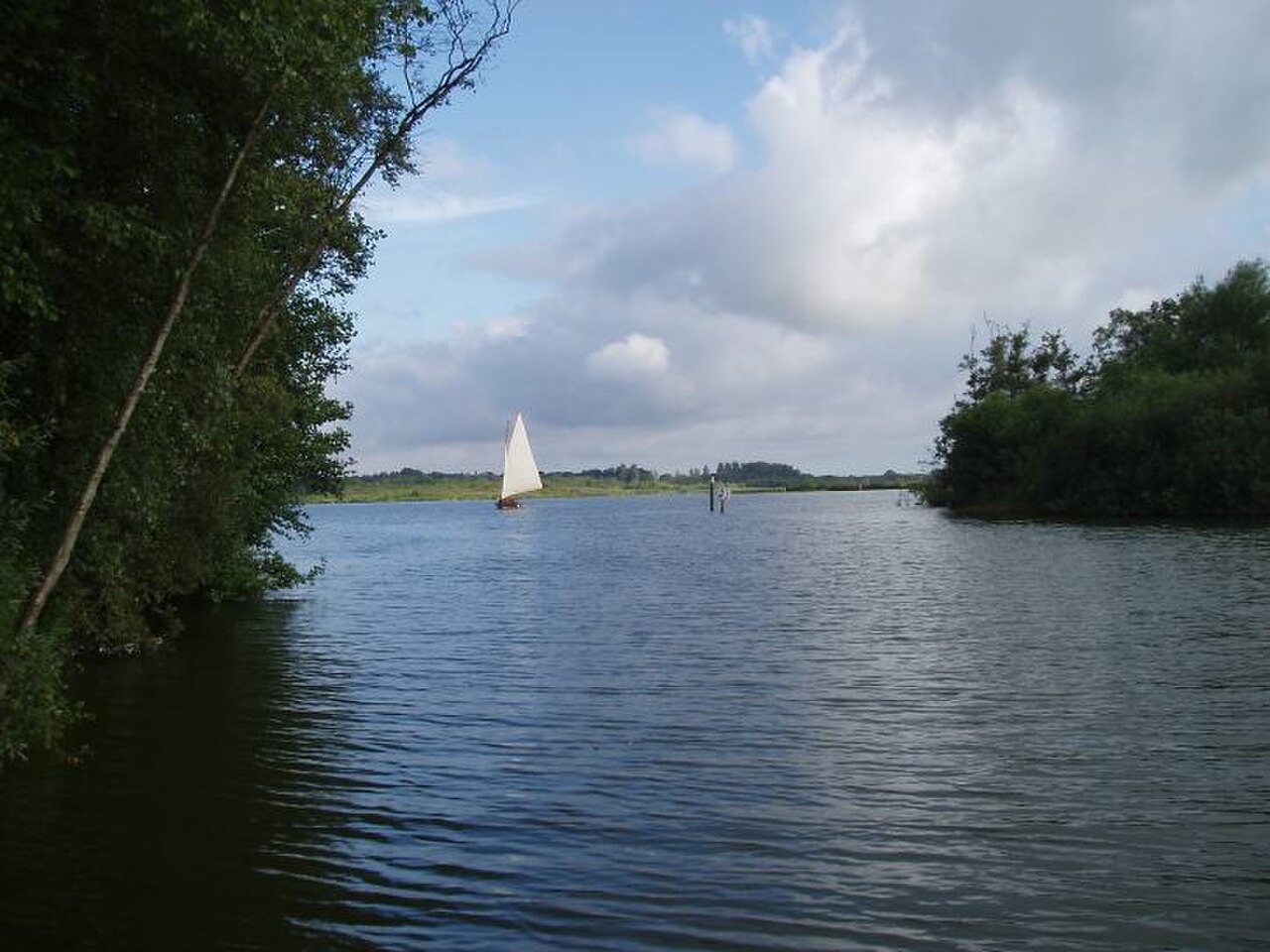
The Broads is a wide wetland area across Norfolk and Suffolk, with rivers, lakes, marshes and waterside villages. You can enjoy it from land as well as from a boat, choosing boardwalks, riverside paths or a reserve visit to suit your group.
This is an area guide rather than directions to one entrance. Choose a particular destination before travelling: parking, charges, toilets, dog rules and accessibility vary between sites and operators.

The Broads at a glance
Where
Norfolk · Suffolk
Your visit
Choose a short outing or a longer walk using the route information below.
Before you arrive
Check current opening times, route conditions and local notices.
Why visit The Broads?
A good first visit can be simple: one broad, a short walk and time to sit beside the water. You do not need to hire a boat or drive between distant stops to get a feel for the landscape. Allow time to watch boats and wildlife without filling the whole day with travel.
The quieter paths and busier villages offer different experiences. Pick a starting point according to what matters most: easy transport, visitor facilities, a sheltered boardwalk or a longer countryside route. A map helps distinguish an attractive view across the water from a place you can actually reach on foot.

Walks and places to explore
Barton Broad boardwalk
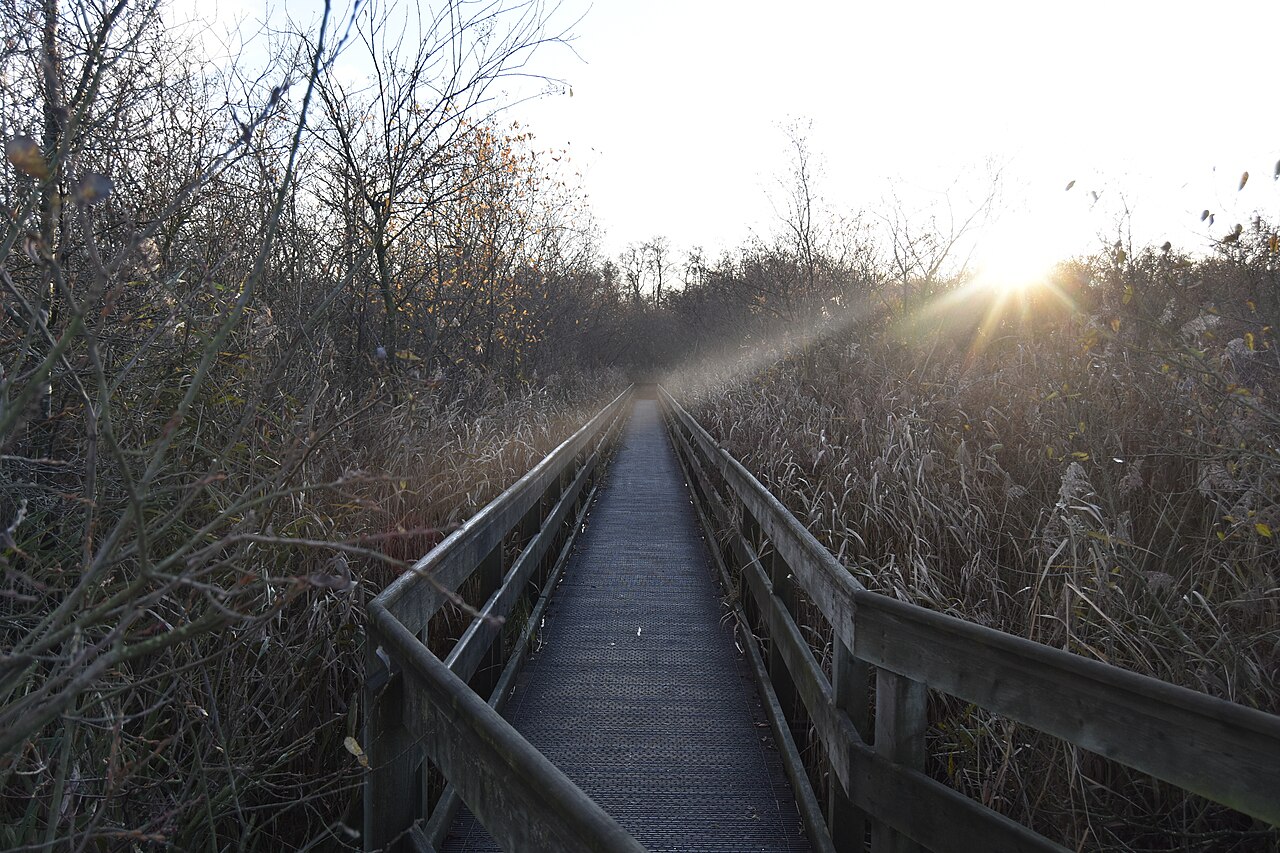
Barton Broad offers a boardwalk through wet woodland to a viewing platform. It is one of the Broads’ named easier-access options. Check Norfolk Wildlife Trust’s current access information and parking arrangements before visiting, and leave room for others when stopping to watch the water.
Ranworth
Ranworth combines waterside views with a woodland and fen boardwalk leading towards the floating wildlife centre. The Broads Authority’s separate information centre is at the staithe, overlooking Malthouse Broad. Be clear which centre you mean when checking hours, directions or facilities.
A longer marked route
The official walking collection includes routes such as the Beccles Marsh Trail and How Hill to St Benet’s Abbey. Download the complete directions and check distance, surfaces and return arrangements. Flat countryside can still mean muddy ground, gates and an exposed walk in windy weather.
Accessibility and easier visits
The Broads Authority’s 2026 access guide lists boardwalks, easier paths and accessible boating opportunities. Select a named route and read its details; accessibility across the entire park cannot be reduced to one yes-or-no description.
For a boat trip, contact the operator beforehand about wheelchair dimensions, weight limits, boarding, toilets and assistance. Accessible trips are available, but booking and equipment requirements vary. A wheelchair-friendly visitor centre does not guarantee every adjoining trail is suitable.
Plan your visit
Getting there
Choose a gateway and final destination rather than navigating simply to the Broads. Hoveton and Wroxham, Norwich, Beccles and Oulton Broad can be useful starting points depending on your itinerary. Verify current rail or bus services and the onward walk; waterways can make a short map distance a much longer journey.
Parking and cost
Use the car park designated for your selected village, reserve or attraction. There is no single National Park parking pass or universal tariff. Check payment and closing instructions, keep moorings and access gates clear and have an alternative destination if parking is full.
Opening and admission
There is no single park opening timetable or admission charge. Paths, reserves, boat trips and attractions have individual arrangements. The Broads Authority lists its Hoveton, How Hill and Ranworth centres as seasonal, Easter to the end of November; check exact hours and boat-trip availability for your date.
Toilets and refreshments
Arrange toilets and refreshments around your chosen destination. Villages and centres offer facilities, but remote marsh paths may not. Check accessible or Changing Places provision specifically if required, and carry water and food when planning a longer outing.
Dogs and responsible visits
Dogs must be under effective control on public rights of way. Individual reserves and permissive routes may exclude dogs. Follow short-lead rules on open access land from 1 March to 31 July and near farm animals, obey local signs and pick up waste.
Wildlife and changing seasons
Water and reeds
Take time at a permitted viewpoint to watch the water and listen in the reeds. A slow visit can offer a fuller experience than searching only for a particular bird. Use current reserve sightings for context, without expecting guaranteed encounters.
Woodland and seasons
Boardwalks can bring you close to wet woodland without entering fragile ground. Different seasons change the light, vegetation and wildlife activity. Return to a familiar accessible route in another season and notice what has changed.
Make the most of your day
Stay on permitted paths and keep children close beside water. Do not enter the water to rescue a pet. Carry suitable shoes, waterproof clothing and a map, and check route conditions before a longer walk or any water-based activity.
Official visitor information
2026 accessible visits · Authority visitor centres · Official walking collection · Dog rules and water safety · Norfolk Wildlife Trust access details
Visitor details checked 5 October 2026. Opening times, charges and access can change; check the official sources before travelling.